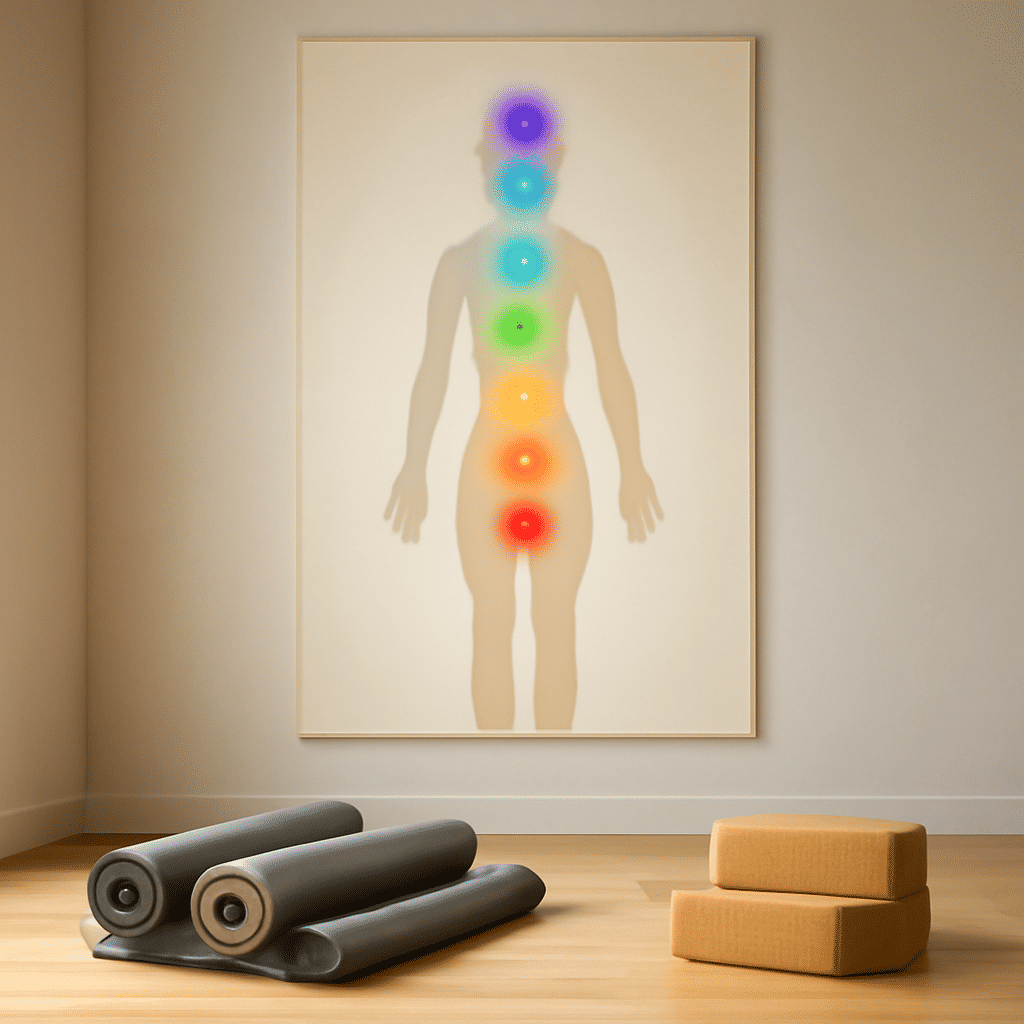
The chakra system is a complex and fascinating aspect of both ancient and modern philosophies, often associated with spiritual and physical well-being. Originating from the ancient traditions of Hinduism and Buddhism, chakras are believed to be the centers of energy within the body that correspond to various physiological and psychological functions.
Understanding the chakra system begins with recognizing that there are seven primary chakras, each located at specific points along the spine, from its base to the crown of the head. These chakras are often visualized as spinning wheels or discs of energy, each vibrating at its own frequency and influencing different aspects of the human experience.
The first chakra, the Root Chakra or Muladhara, is located at the base of the spine. It is associated with grounding and survival instincts. It governs our most basic need for security and stability. When balanced, the root chakra provides a solid foundation and a sense of belonging in the world. Imbalances can manifest as anxiety, insecurity, or fear.
Moving upward, the second chakra, the Sacral Chakra or Svadhisthana, is located around the pelvis. It is responsible for our creative and sexual energies. This chakra influences our emotions, pleasure, and relationships. Balanced sacral energy leads to a zest for life and healthy relationships, while imbalances can result in emotional instability or a lack of creativity.
The third chakra, the Solar Plexus Chakra or Manipura, is found near the stomach area. It governs personal power, self-esteem, and confidence. A balanced solar plexus chakra infuses individuals with motivation and a strong sense of purpose. An imbalance can bring about feelings of powerlessness or low self-worth.
The fourth chakra, the Heart Chakra or Anahata, is central to love and compassion. Located at the center of the chest, it represents love, both for oneself and for others. When this chakra is balanced, it fosters empathy, emotional openness, and harmonious relationships. Conversely, imbalances can manifest as loneliness or jealousy.
The fifth chakra is the Throat Chakra or Vishuddha, located at the throat. It is the center of communication and expression. A balanced throat chakra enables effective communication and the ability to express oneself truthfully. Imbalances might result in difficulties expressing emotions or ideas.
Next is the sixth chakra, the Third Eye Chakra or Ajna, located between the eyebrows. This chakra is associated with intuition, perception, and wisdom. A balanced third eye chakra enhances intuition, clarity, and insight. When out of balance, one may experience confusion, lack of foresight, or disconnection from intuition.
Finally, the seventh chakra, the Crown Chakra or Sahasrara, is situated at the top of the head. It represents spiritual connection and enlightenment. A well-balanced crown chakra provides a sense of unity and peace, transcending the limitations of the ego. An imbalanced crown chakra might result in a sense of disconnect or narrow-mindedness.
Balancing the chakras through practices such as meditation, yoga, and mindful living is believed to harmonize the body’s energy systems, leading to improved physical health, emotional stability, and spiritual growth. Techniques include focusing on each chakra, visualizing its color, and using associated affirmations or mantras.
The chakra system provides a holistic framework for understanding oneself at deeper levels. By exploring these energy centers, individuals can cultivate a path toward healing, balance, and self-awareness, ultimately contributing to overall well-being and an enriched life.