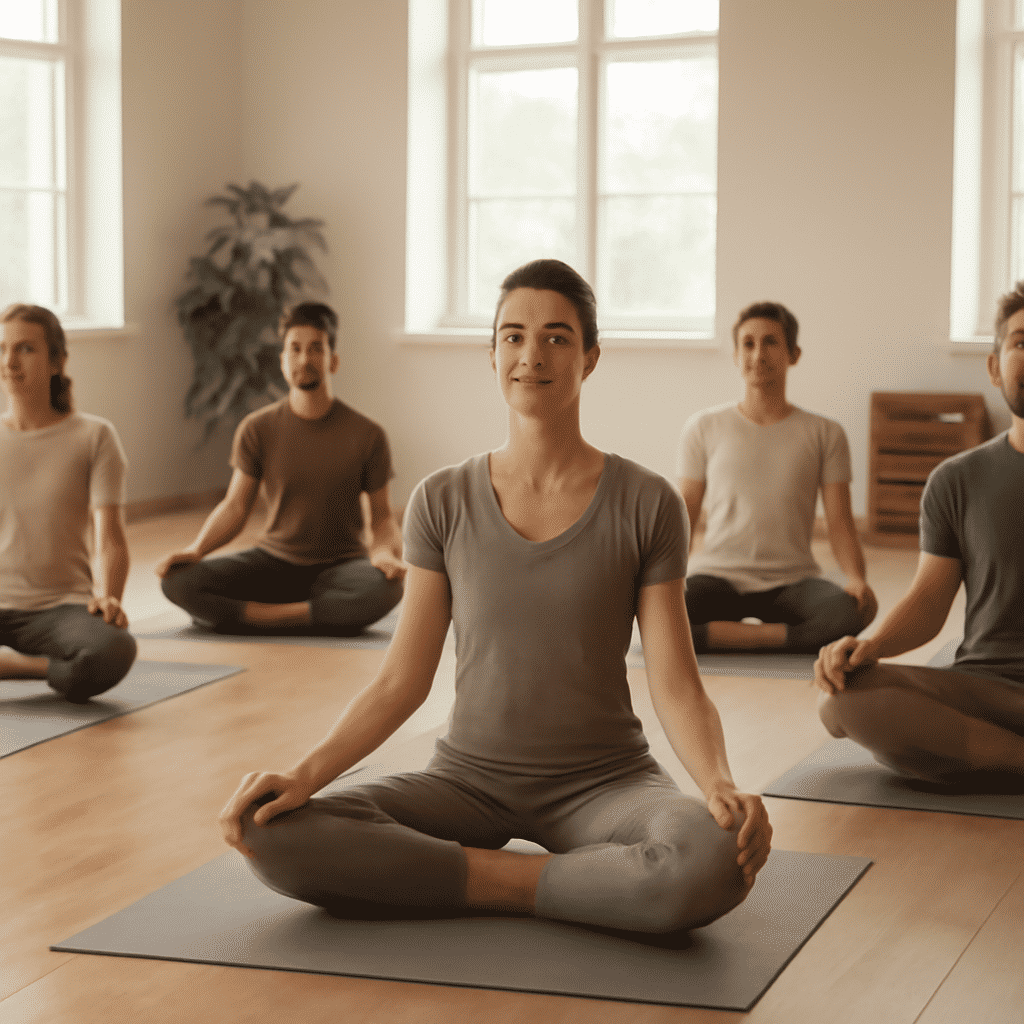
Pranayama, an ancient practice originating from the rich traditions of yoga, focuses on breath control to enhance both physical and mental well-being. This practice, which has been passed down through generations, holds the secret to unlocking an untapped reservoir of energy and calmness within us.
At its core, Pranayama is more than just breathing exercises. It is a bridge that connects the physical body with the mind, promoting harmony between the two. The term "Pranayama" itself is derived from two Sanskrit words: "Prana," meaning life force or vital energy, and "Ayama," which translates to regulation or control. When combined, these words encapsulate the essence of Pranayama: the regulation of the life force within us through controlled breathing techniques.
The benefits of Pranayama are vast and profound. On a physical level, regular practice can improve lung capacity, increase oxygenation of the blood, and enhance overall respiratory function. This is especially beneficial in today's world where pollution and sedentary lifestyles can have detrimental effects on our respiratory health. By improving the efficiency of our breathing, Pranayama can help to boost stamina and support cardiovascular health.
Beyond the physical, Pranayama has a profound impact on mental health. Controlled breathing techniques activate the parasympathetic nervous system, reducing stress and promoting relaxation. This is crucial in managing anxiety and depression, conditions that affect millions worldwide. By fostering a calm and centered mind, individuals can enhance focus and mental clarity, leading to improved productivity and a greater sense of well-being.
There are several types of Pranayama techniques, each with its unique benefits. One of the most popular is "Nadi Shodhana," or alternate nostril breathing, which balances the left and right hemispheres of the brain, promoting peace and clarity. "Kapalabhati," also known as the breath of fire, invigorates the body and helps to expel toxins from the lungs. "Bhramari," or the humming bee breath, is particularly effective for calming the mind and reducing mental agitation.
To incorporate Pranayama into daily life, it's crucial to approach the practice with patience and consistency. Begin by setting aside a few minutes each day, gradually increasing the duration as the body and mind become accustomed to the practice. Find a quiet, comfortable space, free from distractions, to fully immerse in the experience.
It's important to note that Pranayama, like any other practice, requires a gentle approach. Start with simple techniques under the guidance of an experienced instructor if possible, ensuring that the practice is safe and effective.
In conclusion, Mastering the art of Pranayama is an invaluable tool for enhancing both physical and mental health. By dedicating time to this ancient practice, individuals can discover a new realm of wellness, marked by increased energy, improved concentration, and a serene mind. As we navigate the complexities of modern life, Pranayama offers a timeless solution to maintaining balance and nurturing our holistic well-being.