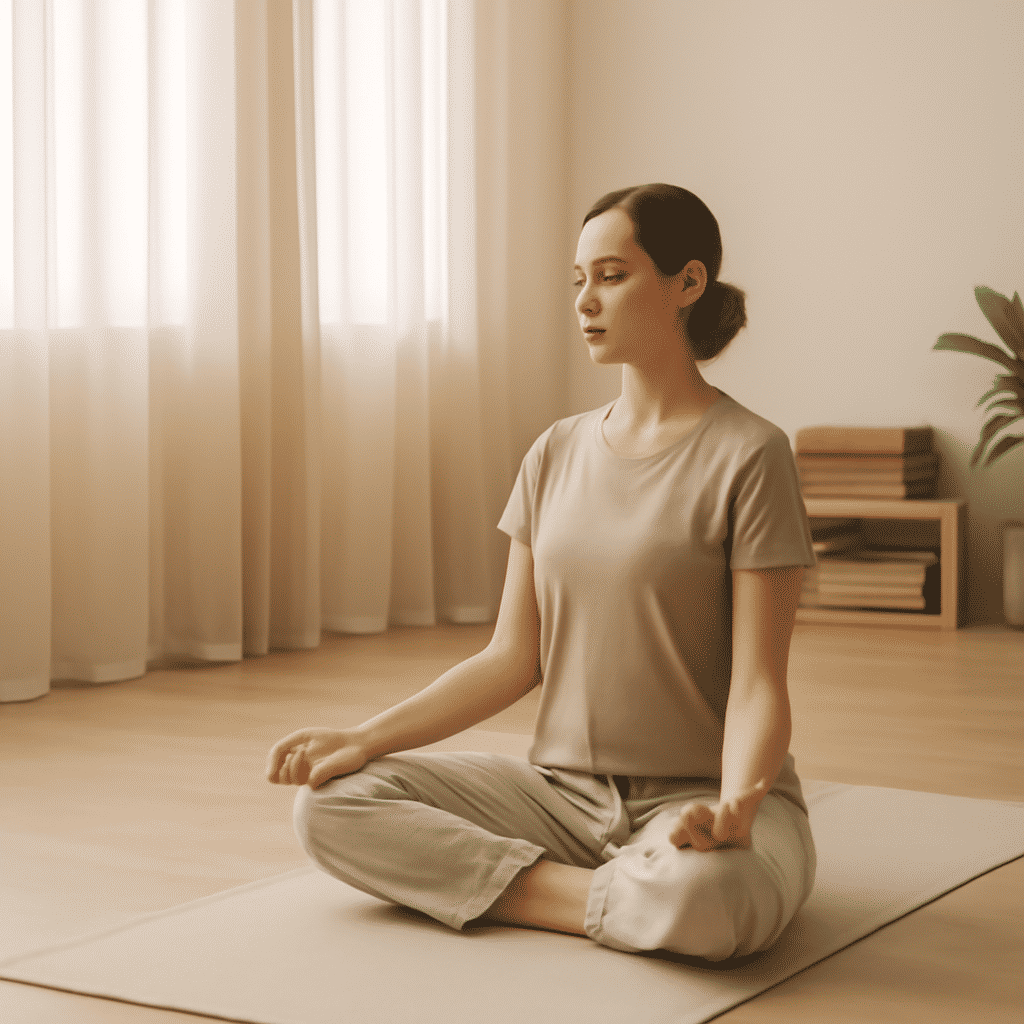
Embarking on a journey into the realm of meditation can feel both exhilarating and overwhelming, especially for beginners. The ancient practice of meditation offers profound benefits, such as heightened focus, emotional clarity, and a greater sense of mindfulness. As a beginner, grasping the foundational techniques can set the stage for a lifelong practice that enriches daily life.
Understanding Meditation
Before diving into specific techniques, it's important to understand what meditation is. At its core, meditation is the practice of cultivating a concentrated mind and deep awareness. This can involve focusing your attention, cultivating a specific mental state, or simply observing thoughts and emotions without judgment.
Setting the Scene
Creating an environment suited for meditation can enhance your practice significantly. For beginners:
-
Choose a Quiet Space: Select a place where you can sit undisturbed for at least a few minutes. This helps minimize distractions and allows you to focus inward.
-
Make it Comfortable: Whether you prefer sitting on a chair, cushion, or mat, find a position where your spine is straight, but your body feels relaxed.
-
Set a Timer: Especially as a beginner, you may lose track of time. Starting with just 5 to 10 minutes and gradually increasing the duration as your practice develops is a good approach.
-
Create a Routine: Consistency helps in forming a new habit. Try to meditate at the same time every day, whether in the morning, during a lunch break, or before bed.
Foundational Meditation Techniques
-
Focused Attention Meditation (FAM)
This is the simplest form to start with and involves focusing your attention on a single object, thought, or sensation. One of the most common forms is breath-focused meditation.
- How to Practice: Close your eyes and bring your attention to your breathing. Feel the sensation of air entering and exiting your nostrils, or the rise and fall of your chest. When your mind wanders, gently return your focus to your breath.
-
Body Scan Meditation
This technique enhances mindfulness by systematically bringing attention to different parts of the body.
- How to Practice: Start from the toes and slowly move up to your head, paying attention to how each part feels. Acknowledge any tension or discomfort without judgment.
-
Loving-Kindness Meditation (Metta)
This practice involves mentally sending goodwill, kindness, and warmth towards others by repeating phrases.
- How to Practice: Begin with yourself: "May I be happy, may I be healthy, may I be at peace." Gradually extend these wishes to loved ones, acquaintances, and even those with whom you have difficulties.
-
Mindfulness Meditation
This involves cultivating awareness of the present moment.
- How to Practice: Rather than focusing on a specific object, pay attention to whatever crosses your mind, observing thoughts and feelings without attempting to categorize, analyze, or pass judgment on them.
Incorporating Meditation into Daily Life
Meditation isn't confined to a seated practice. You can integrate moments of mindfulness throughout your day:
- Mindful Eating: Focus on the taste, texture, and smell of your food.
- Walking Meditation: Pay attention to each step, how your feet feel on the ground.
- Mindful Listening: Truly engage and be present when someone speaks to you.
The Path Forward
Remember, meditation is a skill that improves with practice. As a beginner, you might encounter challenges such as a restless mind, impatience, or even physical discomfort. Acknowledge these challenges as part of your journey, and let go of any perfectionist tendencies.
In conclusion, meditation is a personal practice, and what works for one person may not work for another. Be patient and explore various techniques to find what aligns with you. With consistency and an open mind, meditation can become a transformative part of daily life, helping you to live with greater clarity, compassion, and resilience.